Country-neutral wine evidence
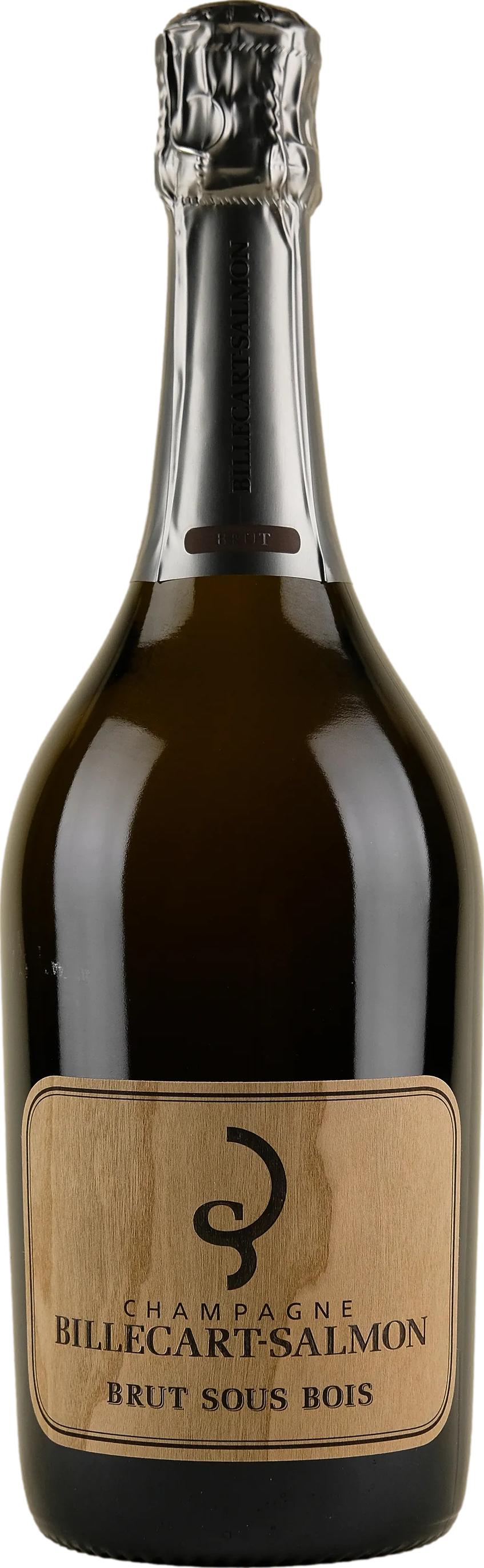
Champagne Billecart-Salmon Brut Sous Bois (75cl)
Champagne Billecart-Salmon Brut Sous Bois (75cl) is recorded as sparkling wine made from Pinot Noir and Chardonnay from Champagne, France. BottlePicker combines the recorded bottle identity with 1 official geographic-register match; retailer prices remain separated by country and currency.
| Producer | Champagne Billecart-Salmon |
|---|---|
| Wine style | sparkling |
| Grape | Pinot Noir, Chardonnay |
| Region | Champagne |
| Country | France |
| Sweetness | Dry |
| Bottle size | 750ml |
Local price availability
No current local-currency retailer price is attached to this wine. The evidence record remains useful for bottle identity, grape, origin and growing-place context; it will link to a country comparison when genuine local availability arrives.
How this wine record is connected
BottlePicker keeps identifier, origin, vineyard and availability evidence separate so one type of record is not mistaken for another.
- Bottle identity
- Structured catalogue identity
Name, producer, vintage, bottle size and origin fields are retained as the recorded catalogue identity. - Vineyard evidence
- No linked vineyard
No soil, parcel or climate claim is inferred for this bottle. - Origin context
- 1 official regional match
An exact region-name match supplies context. It does not prove this bottle carries a protected designation.
Bottle · grape · place
What is in this wine, and where it grows
The wine
Champagne Billecart-Salmon Brut Sous Bois (75cl) is recorded as a sparkling wine made from Pinot Noir and Chardonnay in Champagne, France.
Typical grape profile: Pinot Noir — Red fruit (cherry, cranberry, red plum), earthy and floral notes, silky texture; Chardonnay — Ranges from crisp and citrussy (unoaked) to rich, buttery and vanilla-scented (oaked). The finished bottle can differ with vintage and winemaking.
The vineyard evidence
No verified vineyard or named parcel is linked yet. BottlePicker therefore does not assign a soil, elevation or site temperature to this bottle from its regional name alone.
Soil structure and vine density
No site-specific soil or planting-density record is available for this bottle.
Growing-temperature context
For general cultivar-level heat guidance, see the Pinot Noir and Chardonnay growing profiles. BottlePicker does not apply a generic range to this bottle without a verified vineyard link.
Official geographic-register context
What the official register confirms about Champagne
BottlePicker found an exact region-name match in an official wine or spirits register. This establishes useful regional context; it does not by itself prove that this particular bottle is entitled to the designation. Check the producer label and specification for that claim.
Legal reference: Article 107 of Regulation (EU) No 1308/2013
The catalogue region “Champagne” is an exact normalised name match to this official register entry.
Open the official register (opens in a new tab) →European Commission eAmbrosia · European Commission reuse notice · source updated 2026-06-11
Source-supplied bottle description
Retained as supporting identification copy; the structured facts and evidence links above are kept separate.
Enjoy it now, or cellar for up to 10 years. No need to decant before serving. This is an intriguing bottle of Champagne, aged entirely in oak and composed of a blend of Chardonnay, Pinot Noir, and Pinot Meunier. It is rich and sumptuous on the nose - you can discover scents of citrus rind, ripe orchard fruits, and fresh croissants, alongside more tannic hints obtained from the oak. On the grounds of the Billecart-Salmon winery, a 100-year-old chestnut tree has seen seven generations of family winemakers pass through. It was founded in 1818, after a marriage between Nicolas François Billecart and Elisabeth Salmon, making it one of Champagnes longest running houses. The winery sources its grapes from around the village of Epernay, touching some of the region’s finest appellations, while the building itself can be found in Mareuil-sur-Aÿ. Le Sous Bois’ generosity continues on the palate, where you can find white and yellow fruits alongside notes of butter and subtle oaky spice. There are hints of Earl Grey tea on the finish. The grapes were sourced from across the Côte des Blancs and were aged on the lees for 5 years before bottling. Consider pairing this excellent Champagne with a seafood risotto, mushrooms, or a soft cheese board.
Evidence boundary
This page combines the recorded bottle identity with linked source records. An exact region-name match supplies regional context but does not prove that this bottle carries the protected designation. A vineyard is only shown as bottle-level evidence when a wine-to-vineyard link exists. BottlePicker does not infer a vineyard, soil or site climate from a retailer title.