Country-neutral wine evidence
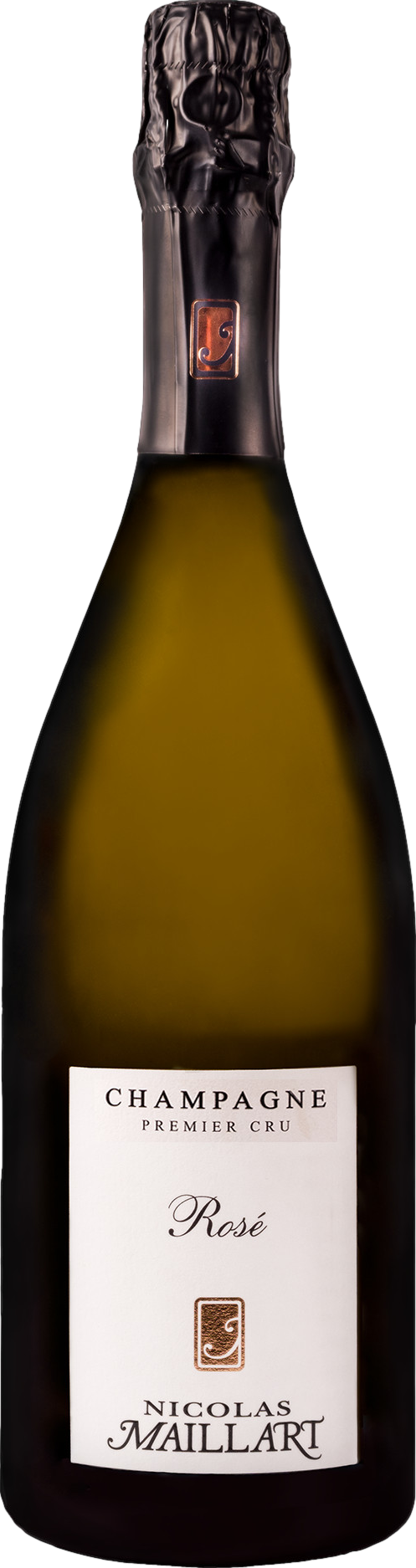
Champagne Nicolas Maillart Rosé Premier Cru (75cl)
Champagne Nicolas Maillart Rosé Premier Cru (75cl) is recorded as rose wine made from Pinot Noir and Chardonnay from Champagne, France. BottlePicker combines the recorded bottle identity with 1 official geographic-register match; retailer prices remain separated by country and currency.
| Producer | Champagne Nicolas Maillart |
|---|---|
| Wine style | rose |
| Grape | Pinot Noir, Chardonnay |
| Region | Champagne |
| Country | France |
| Bottle size | 750ml |
Local price availability
No current local-currency retailer price is attached to this wine. The evidence record remains useful for bottle identity, grape, origin and growing-place context; it will link to a country comparison when genuine local availability arrives.
How this wine record is connected
BottlePicker keeps identifier, origin, vineyard and availability evidence separate so one type of record is not mistaken for another.
- Bottle identity
- Structured catalogue identity
Name, producer, vintage, bottle size and origin fields are retained as the recorded catalogue identity. - Vineyard evidence
- No linked vineyard
No soil, parcel or climate claim is inferred for this bottle. - Origin context
- 1 official regional match
An exact region-name match supplies context. It does not prove this bottle carries a protected designation.
Bottle · grape · place
What is in this wine, and where it grows
The wine
Champagne Nicolas Maillart Rosé Premier Cru (75cl) is recorded as a rose wine made from Pinot Noir and Chardonnay in Champagne, France.
Typical grape profile: Pinot Noir — Red fruit (cherry, cranberry, red plum), earthy and floral notes, silky texture; Chardonnay — Ranges from crisp and citrussy (unoaked) to rich, buttery and vanilla-scented (oaked). The finished bottle can differ with vintage and winemaking.
The vineyard evidence
No verified vineyard or named parcel is linked yet. BottlePicker therefore does not assign a soil, elevation or site temperature to this bottle from its regional name alone.
Soil structure and vine density
No site-specific soil or planting-density record is available for this bottle.
Growing-temperature context
For general cultivar-level heat guidance, see the Pinot Noir and Chardonnay growing profiles. BottlePicker does not apply a generic range to this bottle without a verified vineyard link.
Official geographic-register context
What the official register confirms about Champagne
BottlePicker found an exact region-name match in an official wine or spirits register. This establishes useful regional context; it does not by itself prove that this particular bottle is entitled to the designation. Check the producer label and specification for that claim.
Legal reference: Article 107 of Regulation (EU) No 1308/2013
The catalogue region “Champagne” is an exact normalised name match to this official register entry.
Open the official register (opens in a new tab) →European Commission eAmbrosia · European Commission reuse notice · source updated 2026-06-11
Source-supplied bottle description
Retained as supporting identification copy; the structured facts and evidence links above are kept separate.
Drink now or cellar for up to 10 years. This delicious Rosé Premier Cru was elaborated from 70% Pinot Noir and 30% Chardonnay grapes. The fruit expressed for this wine are only the finest 1er Crú and Grand Crú grapes which are hand picked for a small production. The alcohol content is 12.5%. This Champagne has an inviting salmon pink color and a mesmerizing fine bead that lasts. The nose is intense with red fruits dressed in pink and warm toasted vanilla. The first taste is of white cherry compote, fleur de sel, toasted brioche with cream. Tertiary nuances of orchard blossom lend a delicate floral note. Fresh, fruity and vinous with mouthwatering acidity. Ginger and citrus zest take the main stage for a grandiose finale. Serve chilled, at 7°C. Enjoy with red fruit (especially berries) or cooked salmon as an aperitif or accompanying light meals, mild cheeses, and fresh or steamed vegetables. The Maillart family has been cultivating grapes since 1753. Nicolas Maillart is the ninth generation to oversee the vineyards in Chamery. Remaining loyal to the traditions of the Champagne region, the Maillart estate is only planted with Pinot Noir (75%) and Chardonnay (25%). The bulk of the vines is planted mid-slope, in Bouzy terroir, which is favorable for cultivating and harvesting in the cool climates. The grapes undergo 52 hours of maceration to impart the beautiful color. The bottles are rested on the lees for at least one year and disgorged right before release.
Evidence boundary
This page combines the recorded bottle identity with linked source records. An exact region-name match supplies regional context but does not prove that this bottle carries the protected designation. A vineyard is only shown as bottle-level evidence when a wine-to-vineyard link exists. BottlePicker does not infer a vineyard, soil or site climate from a retailer title.