Country-neutral wine evidence
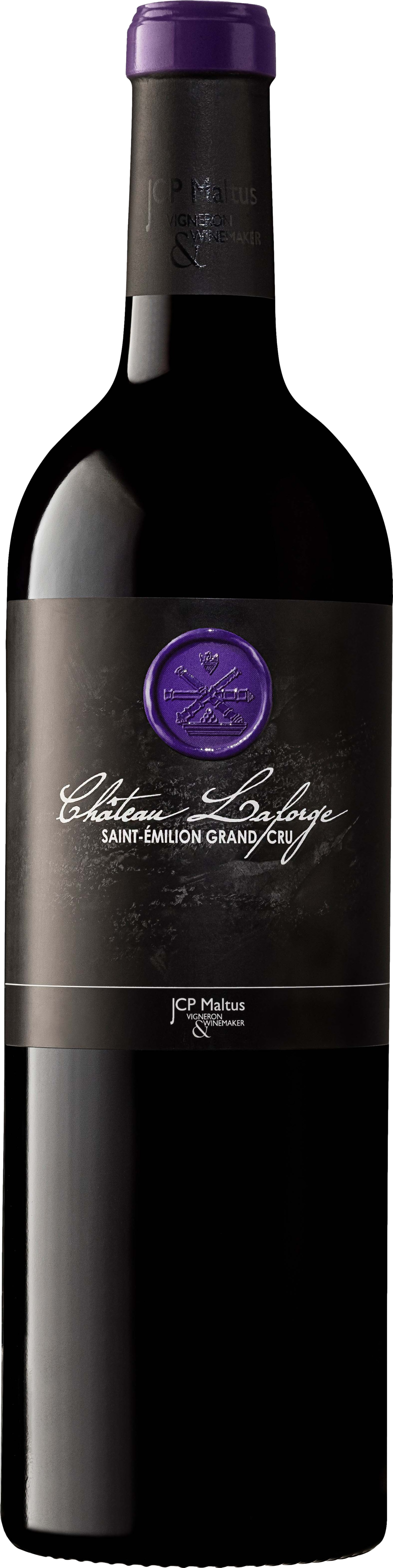
Chateau Laforge Saint Emilion Grand Cru 2020 Wine (75cl)
Chateau Laforge Saint Emilion Grand Cru 2020 Wine (75cl) is recorded as 2020 other wine made from Cabernet Franc and Merlot from Bordeaux, France. BottlePicker combines the recorded bottle identity with 1 official geographic-register match; retailer prices remain separated by country and currency.
| Producer | Chateau Teyssier |
|---|---|
| Vintage | 2020 |
| Wine style | other |
| Grape | Cabernet Franc, Merlot |
| Region | Bordeaux |
| Country | France |
| Bottle size | 750ml |
Local price availability
No current local-currency retailer price is attached to this wine. The evidence record remains useful for bottle identity, grape, origin and growing-place context; it will link to a country comparison when genuine local availability arrives.
How this wine record is connected
BottlePicker keeps identifier, origin, vineyard and availability evidence separate so one type of record is not mistaken for another.
- Bottle identity
- Structured catalogue identity
Name, producer, vintage, bottle size and origin fields are retained as the recorded catalogue identity. - Vineyard evidence
- No linked vineyard
No soil, parcel or climate claim is inferred for this bottle. - Origin context
- 1 official regional match
An exact region-name match supplies context. It does not prove this bottle carries a protected designation.
Bottle · grape · place
What is in this wine, and where it grows
The wine
Chateau Laforge Saint Emilion Grand Cru 2020 Wine (75cl) is recorded as a 2020 other wine made from Cabernet Franc and Merlot in Bordeaux, France.
Typical grape profile: Cabernet Franc — Red fruit with a signature herbaceous, peppery edge; Merlot — Plum, black cherry, chocolate; softer and rounder than Cabernet Sauvignon. The finished bottle can differ with vintage and winemaking.
The vineyard evidence
No verified vineyard or named parcel is linked yet. BottlePicker therefore does not assign a soil, elevation or site temperature to this bottle from its regional name alone.
Soil structure and vine density
No site-specific soil or planting-density record is available for this bottle.
Growing-temperature context
For general cultivar-level heat guidance, see the Cabernet Franc and Merlot growing profiles. BottlePicker does not apply a generic range to this bottle without a verified vineyard link.
Official geographic-register context
What the official register confirms about Bordeaux
BottlePicker found an exact region-name match in an official wine or spirits register. This establishes useful regional context; it does not by itself prove that this particular bottle is entitled to the designation. Check the producer label and specification for that claim.
Legal reference: Article 107 of Regulation (EU) No 1308/2013
The catalogue region “Bordeaux” is an exact normalised name match to this official register entry.
Open the official register (opens in a new tab) →European Commission eAmbrosia · European Commission reuse notice · source updated 2026-04-13
Source-supplied bottle description
Retained as supporting identification copy; the structured facts and evidence links above are kept separate.
Cellar for up to 20 years. Decant for 2 hours or more before serving. This stunning Bordeaux is packed with red and black fruits, and a wealth of spice and mineral character. It appears a reddish-purple colour in the glass, hinting at the luxurious palate to follow. The fruits are an interesting blend of Cabernet Franc and Merlot, and all were harvested from inside the Saint Emilion AOC, on the right bank of the Gironde. Since 1998, Chateau Laforge has been owned and operated by Jonathan Maltus, an English winemaker who also has stakes in Chateau Teyssier and Le Dome. Before Maltus, the domain allegedly belonged to a blacksmith, who assembled the estate piece by piece, which explains the winery’s patchwork selection of vineyards that spread across Saint Emilion. In the mouth, the Saint Emilion Grand Cru is loaded with fresh acidity and finely-grained tannins, giving it a youthful character, despite its long ageing ability. Look for notes of boysenberry, sour cherry, rose petals, and gingery fruit cake, with an edge of crushed stone minerality and an aromatic finish. This is a classic, smooth Right Bank Bordeaux, and deserves to be paired with a mature cheese, a fine steak, or a plate of roast vegetables.
Evidence boundary
This page combines the recorded bottle identity with linked source records. An exact region-name match supplies regional context but does not prove that this bottle carries the protected designation. A vineyard is only shown as bottle-level evidence when a wine-to-vineyard link exists. BottlePicker does not infer a vineyard, soil or site climate from a retailer title.