Country-neutral wine evidence
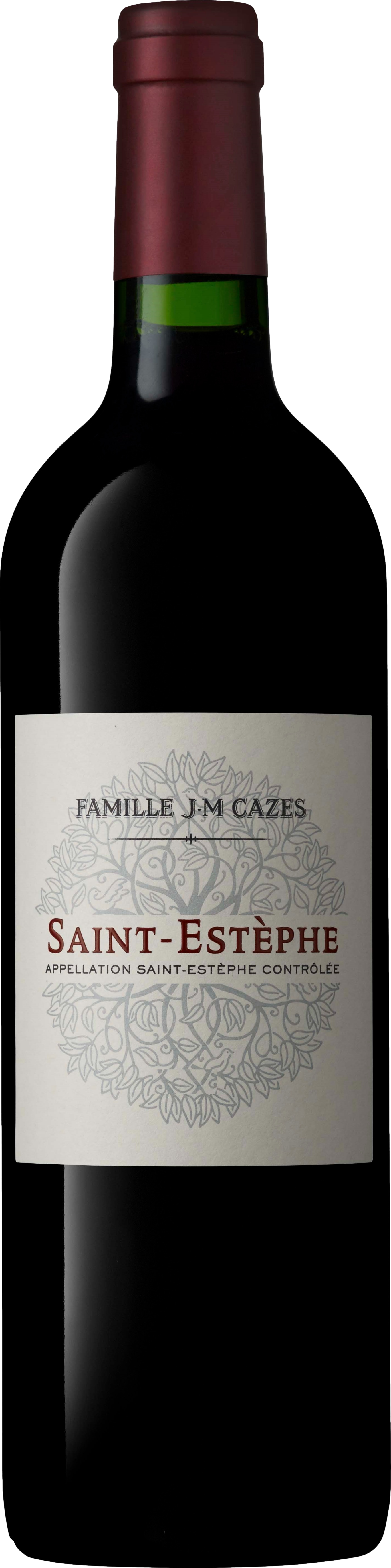
Saint-Estephe d’Ormes de Pez 2019 Wine (75cl)
Saint-Estephe d’Ormes de Pez 2019 Wine (75cl) is recorded as 2019 other wine made from Cabernet Sauvignon, Cabernet Franc, Petit Verdot, and Merlot from Bordeaux, France. BottlePicker combines the recorded bottle identity with 1 official geographic-register match; retailer prices remain separated by country and currency.
| Producer | Chateau Les Ormes de Pez |
|---|---|
| Vintage | 2019 |
| Wine style | other |
| Grape | Cabernet Sauvignon, Cabernet Franc, Petit Verdot, Merlot |
| Region | Bordeaux |
| Country | France |
| Bottle size | 750ml |
Local price availability
No current local-currency retailer price is attached to this wine. The evidence record remains useful for bottle identity, grape, origin and growing-place context; it will link to a country comparison when genuine local availability arrives.
How this wine record is connected
BottlePicker keeps identifier, origin, vineyard and availability evidence separate so one type of record is not mistaken for another.
- Bottle identity
- Structured catalogue identity
Name, producer, vintage, bottle size and origin fields are retained as the recorded catalogue identity. - Vineyard evidence
- No linked vineyard
No soil, parcel or climate claim is inferred for this bottle. - Origin context
- 1 official regional match
An exact region-name match supplies context. It does not prove this bottle carries a protected designation.
Bottle · grape · place
What is in this wine, and where it grows
The wine
Saint-Estephe d’Ormes de Pez 2019 Wine (75cl) is recorded as a 2019 other wine made from Cabernet Sauvignon, Cabernet Franc, Petit Verdot, and Merlot in Bordeaux, France.
Typical grape profile: Cabernet Sauvignon — Blackcurrant, cedar, graphite; ages well, especially in Bordeaux blends; Cabernet Franc — Red fruit with a signature herbaceous, peppery edge. The finished bottle can differ with vintage and winemaking.
The vineyard evidence
No verified vineyard or named parcel is linked yet. BottlePicker therefore does not assign a soil, elevation or site temperature to this bottle from its regional name alone.
Soil structure and vine density
No site-specific soil or planting-density record is available for this bottle.
Growing-temperature context
For general cultivar-level heat guidance, see the Cabernet Sauvignon, Cabernet Franc, Petit Verdot, and Merlot growing profiles. BottlePicker does not apply a generic range to this bottle without a verified vineyard link.
Official geographic-register context
What the official register confirms about Bordeaux
BottlePicker found an exact region-name match in an official wine or spirits register. This establishes useful regional context; it does not by itself prove that this particular bottle is entitled to the designation. Check the producer label and specification for that claim.
Legal reference: Article 107 of Regulation (EU) No 1308/2013
The catalogue region “Bordeaux” is an exact normalised name match to this official register entry.
Open the official register (opens in a new tab) →European Commission eAmbrosia · European Commission reuse notice · source updated 2026-04-13
Source-supplied bottle description
Retained as supporting identification copy; the structured facts and evidence links above are kept separate.
Drink it now or cellar for up to 25 years. It is recommended to decant it for an hour. Located in the hamlet of Pez, in the municipality of Saint-Estèphe, in the Medoc, Château Ormes de Pez was founded in the 18th century, and purchased by the Cazes family in 1939. The name derives from the very ancient elm trees (which unfortunately no longer exist) that surrounded the property. The vineyard extends over over 35 hectares, with gravelly plots on quartz and pebble soils ideal for the maturation of Cabernet Sauvignon, and clay-sandy soils, more favorable to Merlot. The wine is a blend of Merlot and Cabernet Sauvignon, in similar parts, with small additions of Cabernet Franc and Petit Verdot. The grapes are harvested manually from vineyards with an average age of 35 years. The finished wine is aged in oak barrels (45% new) for 15 months. Chateau Les Ormes de Pez is a rich and expressive wine with a fragrant aromatic profile with notes of black and red fruits (cherries, dark berries, and plums) and then light floral notes, smoky hints, and tobacco leaves aromas. On the palate it is round and has an excellent tannic structure. It has a good body and well-balanced acidity with a long finish that recalls notes of liquorice. Have it with smoked brisket.
Evidence boundary
This page combines the recorded bottle identity with linked source records. An exact region-name match supplies regional context but does not prove that this bottle carries the protected designation. A vineyard is only shown as bottle-level evidence when a wine-to-vineyard link exists. BottlePicker does not infer a vineyard, soil or site climate from a retailer title.