Country-neutral wine evidence
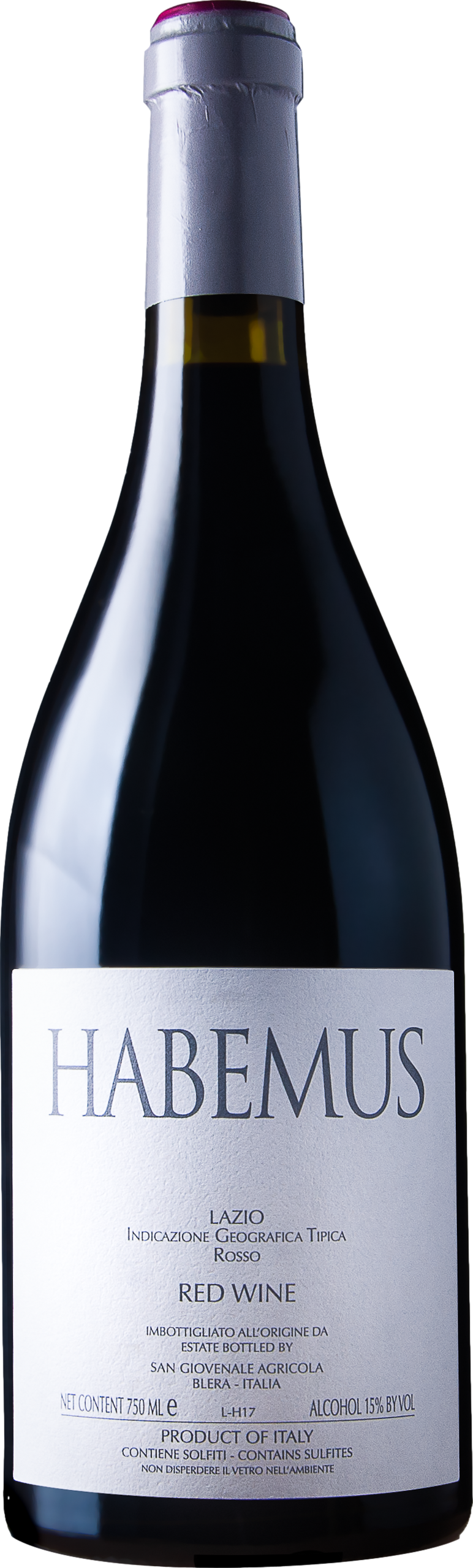
San Giovenale Habemus Lazio 2023 Wine (75cl)
San Giovenale Habemus Lazio 2023 Wine (75cl) is recorded as 2023 other wine made from Tempranillo, Grenache, and Syrah from Lazio, Italy. BottlePicker combines the recorded bottle identity with 1 official geographic-register match; retailer prices remain separated by country and currency.
| Producer | San Giovenale |
|---|---|
| Vintage | 2023 |
| Wine style | other |
| Grape | Tempranillo, Grenache, Syrah |
| Region | Lazio |
| Country | Italy |
| Sweetness | Sweet |
| Bottle size | 750ml |
Local price availability
No current local-currency retailer price is attached to this wine. The evidence record remains useful for bottle identity, grape, origin and growing-place context; it will link to a country comparison when genuine local availability arrives.
How this wine record is connected
BottlePicker keeps identifier, origin, vineyard and availability evidence separate so one type of record is not mistaken for another.
- Bottle identity
- Structured catalogue identity
Name, producer, vintage, bottle size and origin fields are retained as the recorded catalogue identity. - Vineyard evidence
- No linked vineyard
No soil, parcel or climate claim is inferred for this bottle. - Origin context
- 1 official regional match
An exact region-name match supplies context. It does not prove this bottle carries a protected designation.
Bottle · grape · place
What is in this wine, and where it grows
The wine
San Giovenale Habemus Lazio 2023 Wine (75cl) is recorded as a 2023 other wine made from Tempranillo, Grenache, and Syrah in Lazio, Italy.
Typical grape profile: Tempranillo — Cherry and plum with leather and vanilla from oak ageing, classic in Rioja; Grenache — Ripe red berry fruit and warm spice; often blended in Rhône and Spanish reds. The finished bottle can differ with vintage and winemaking.
The vineyard evidence
No verified vineyard or named parcel is linked yet. BottlePicker therefore does not assign a soil, elevation or site temperature to this bottle from its regional name alone.
Soil structure and vine density
No site-specific soil or planting-density record is available for this bottle.
Growing-temperature context
For general cultivar-level heat guidance, see the Tempranillo, Grenache, and Syrah growing profiles. BottlePicker does not apply a generic range to this bottle without a verified vineyard link.
Official geographic-register context
What the official register confirms about Lazio
BottlePicker found an exact region-name match in an official wine or spirits register. This establishes useful regional context; it does not by itself prove that this particular bottle is entitled to the designation. Check the producer label and specification for that claim.
Legal reference: Article 107 of Regulation (EU) No 1308/2013
The catalogue region “Lazio” is an exact normalised name match to this official register entry.
Open the official register (opens in a new tab) →European Commission eAmbrosia · European Commission reuse notice · source updated 2018-06-08
Source-supplied bottle description
Retained as supporting identification copy; the structured facts and evidence links above are kept separate.
Cellar for up to 9 years. Decant 1 hour before serving. Seductive dark cherries, blackberries, sweet spice and lavender enchant the nose, while the first sip reveals wild berry jam, dried herbs and hints of smoke and tobacco along with a distinctive minerality. Full bodied and generous in the mouth, the firm structure and tannins are perfectly balanced by a touch of acidity and long finish. This unique red blend from Lazio is made from organically-cultivated Grenache, Syrah, Carignan, and Tempranillo grapes which are carefully handpicked at optimum ripeness. They are then fermented in stainless steel tanks using wild yeasts and aged in oak barrels for 20 months followed by a further 6 months of ageing in the bottle. The San Giovenale Habemus Lazio is one of the most exciting wines being made in Lazio today thanks to ambitious winemaker Emanuele Pangrazi. A successful entrepreneur before turning to his passion of wine, Emanuele worked with the famous Italian enologist Marco Casolanetti to identify prime sites for vineyards in the picturesque valley of Blera just to the north of Rome. Conditions here are ideal for making exceptional wines thanks to the plentiful summer sunshine and cooling influence of the nearby Tyrrhenian Sea.
Evidence boundary
This page combines the recorded bottle identity with linked source records. An exact region-name match supplies regional context but does not prove that this bottle carries the protected designation. A vineyard is only shown as bottle-level evidence when a wine-to-vineyard link exists. BottlePicker does not infer a vineyard, soil or site climate from a retailer title.